
The evolution of gambling A journey through time and culture
The Origins of Gambling
The history of gambling dates back thousands of years, with evidence suggesting that it was practiced as early as 3000 BC in ancient China. Archaeological findings of dice made from animal bones indicate that games of chance were not only popular but possibly integrated into religious and social rituals. Similarly, the ancient Romans engaged in betting during gladiator games, showcasing a cultural acceptance of risk-taking. This historical backdrop set the stage for gambling to evolve as a significant aspect of human entertainment and social interaction. If you’re looking for various gaming options, https://deespin-australia.com/games/ can provide great insights.

In ancient civilizations, gambling often intertwined with other cultural practices, including divination and prophecy. For instance, the Babylonians created betting games associated with religious festivals. Such activities were a form of community bonding, bringing people together to celebrate while also introducing an element of competition. This dual function of gambling as a social activity and a means of fortune-telling highlights its deep-rooted significance across various cultures.
As societies progressed, so did the nature of gambling. The invention of playing cards in China during the Tang Dynasty around the 9th century signified a transformative shift in how gambling was perceived and practiced. These cards spread through trade routes, becoming a staple in games of chance and strategy across Asia and eventually to Europe. This evolution illustrates the adaptability of gambling, reflecting the cultural exchange between societies and the continuous quest for entertainment.
The Rise of Gambling in Europe
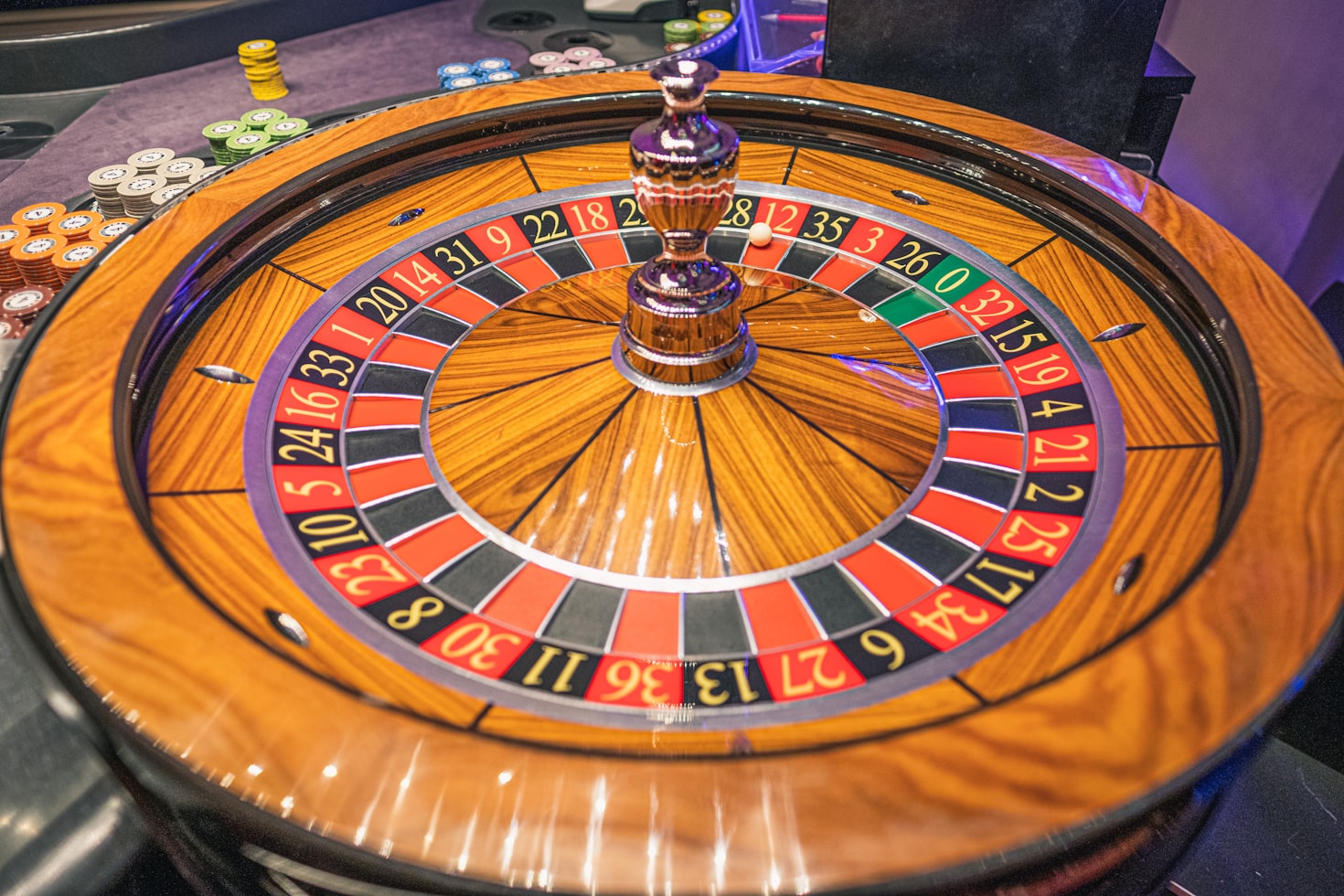
The Middle Ages marked a turning point in the evolution of gambling in Europe, particularly with the emergence of commercial gambling establishments. The first official gambling houses appeared in Italy in the 17th century, known as “ridotti,” which catered to the aristocracy. These venues offered a refined atmosphere where nobility could indulge in games of chance, further solidifying gambling’s status as an elite pastime. The allure of these establishments was enhanced by the introduction of sophisticated games like baccarat and roulette.
As the popularity of gambling spread, it began to infiltrate the general populace. By the 18th century, lotteries gained traction as governments recognized their potential for generating revenue. These lotteries were often used to fund public projects, such as roads and schools, thereby legitimizing gambling in the eyes of the public. The intersection of public interest and governmental endorsement created a thriving gambling culture that continues to evolve today.
The 19th century brought about significant changes with the establishment of casinos in places like Monte Carlo and Las Vegas. These destinations transformed gambling into a mainstream form of entertainment, attracting tourists from around the world. The glamour and excitement associated with these casinos played a crucial role in popularizing gambling as an integral aspect of modern culture, leading to the phenomenon we recognize today.
The Impact of Technology on Gambling
The advent of technology has dramatically reshaped the gambling landscape, starting with the invention of mechanical slot machines in the late 19th century. These machines offered players an exciting new way to gamble without needing extensive knowledge of card games. The simplicity of pulling a lever to try one’s luck made gambling accessible to a wider audience, paving the way for the explosive growth of the gambling industry. This innovation marked the beginning of a new era where gambling became a more automated and less socially interactive experience.
The digital revolution in the late 20th and early 21st centuries catalyzed a significant shift in gambling practices. Online casinos emerged, allowing players to enjoy their favorite games from the comfort of their homes. This convenience attracted millions of new players, and online platforms began to offer a vast array of games, including live dealer options that replicate the casino experience virtually. The increased accessibility has fundamentally altered how people engage with gambling, making it easier and more appealing.
Moreover, advancements in mobile technology have further transformed the gambling experience. Smartphones and tablets have enabled players to gamble on-the-go, seamlessly integrating gambling into daily life. Mobile applications provide real-time gaming options, live betting on sports, and instant access to promotional offers. This evolution towards digital and mobile platforms has not only broadened the audience but has also encouraged responsible gaming practices through tools like self-exclusion and deposit limits, promoting a healthier gambling environment.
The Cultural Significance of Gambling
Gambling has transcended mere entertainment; it has evolved into a cultural phenomenon with deep social implications. Many cultures celebrate gambling as part of their traditions, often associating it with luck and fortune. For instance, in many Asian cultures, gambling plays a crucial role during festivals like the Lunar New Year, where games of chance symbolize prosperity and good fortune for the coming year. Such practices illustrate how gambling can serve as a cultural ritual, intertwining with community values and beliefs.
In contrast, some cultures view gambling negatively, associating it with vice and moral decay. This dichotomy is evident in various laws regulating gambling, ranging from outright bans to regulated markets. Countries like Singapore have embraced gambling as a tourist attraction while implementing strict regulations to mitigate potential social harm. This balance between cultural acceptance and regulatory oversight highlights the complexity of gambling’s role across different societies.
Moreover, the portrayal of gambling in popular media further cements its cultural significance. Movies, television shows, and literature often depict gambling as a means of escape, showcasing characters who challenge the odds for a chance at redemption or wealth. These narratives not only entertain but also reflect societal attitudes toward risk-taking and the allure of fortune, influencing how gambling is perceived across cultures.
DeeSpin: A Resource for Modern Gamblers
For those interested in the modern landscape of gambling, DeeSpin serves as a valuable online casino review platform dedicated to Australian players. Offering comprehensive insights into various gaming options, including pokies and live casino experiences, DeeSpin helps users navigate the extensive world of online gambling. The website features detailed information on game performance and payout statistics, enabling players to make informed decisions about their gambling activities.
Additionally, DeeSpin emphasizes user engagement by highlighting new releases and popular titles, ensuring that players stay updated on the latest trends in the gambling industry. The platform also provides resources like welcome and no-deposit bonuses, enhancing the gaming experience for its users. With a focus on responsible gaming practices, DeeSpin creates a safe environment that fosters informed and enjoyable gambling.
In a rapidly evolving industry, staying informed is essential. DeeSpin not only offers reviews and insights but also serves as a community hub for players seeking to share experiences and strategies. By prioritizing user education and safety, DeeSpin positions itself as a trusted resource in the modern gambling landscape, reflecting the ongoing evolution of gambling through time and culture.